Your Guide to Basic Septic Tank Maintenance
Maintaining a septic system requires consistent attention to keep household wastewater flowing safely and efficiently. Without proper care, accumulated waste, excessive water usage, and improper disposal practices can contribute to blockages, backups, and expensive repairs. Understanding how your system works and recognizing its maintenance needs can help prevent these problems. With routine inspections, responsible household habits, and professional assistance, homeowners can extend their system's useful lifespan.
Understanding How Your Septic System Works
Learning the Basics of Septic Systems
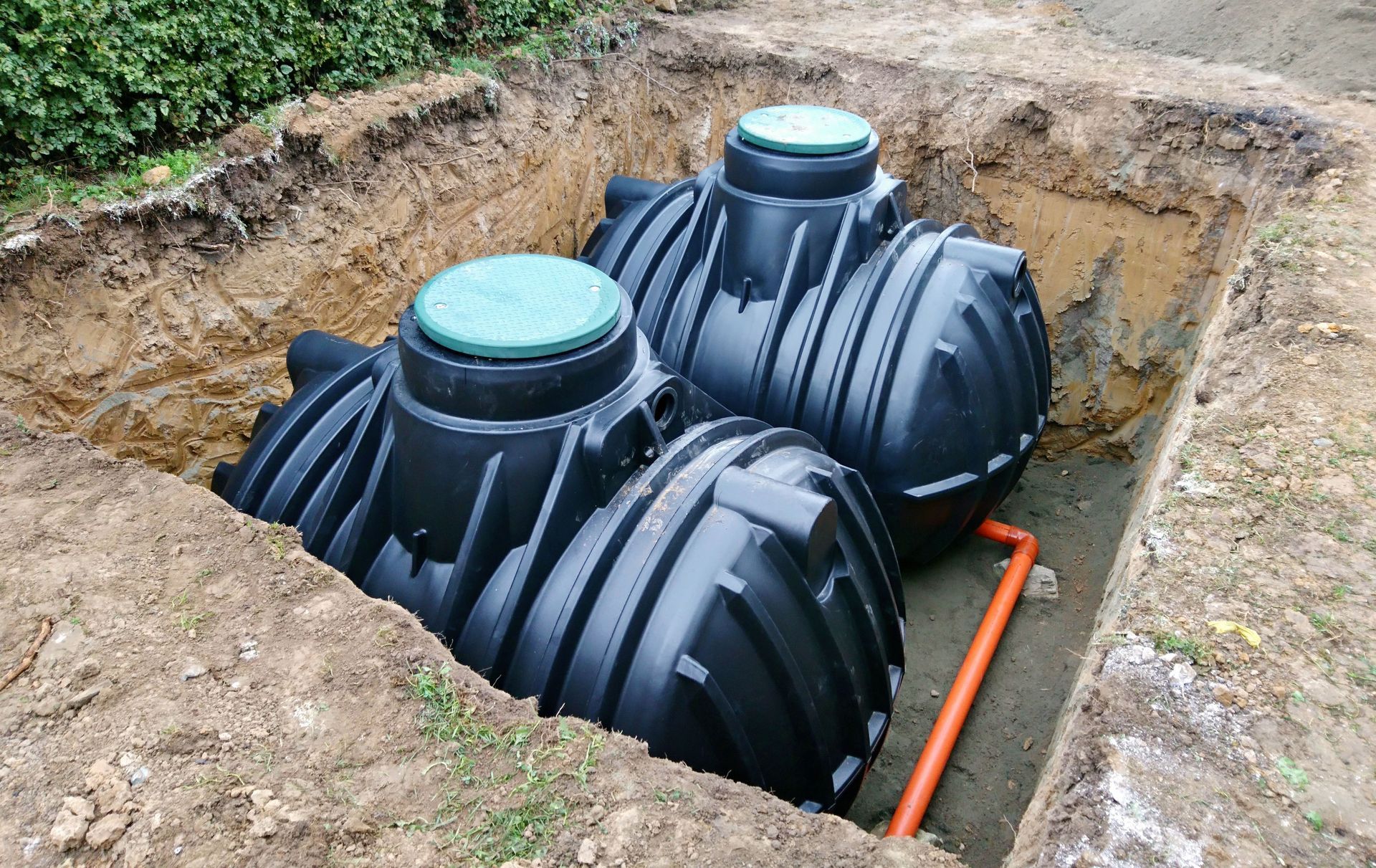
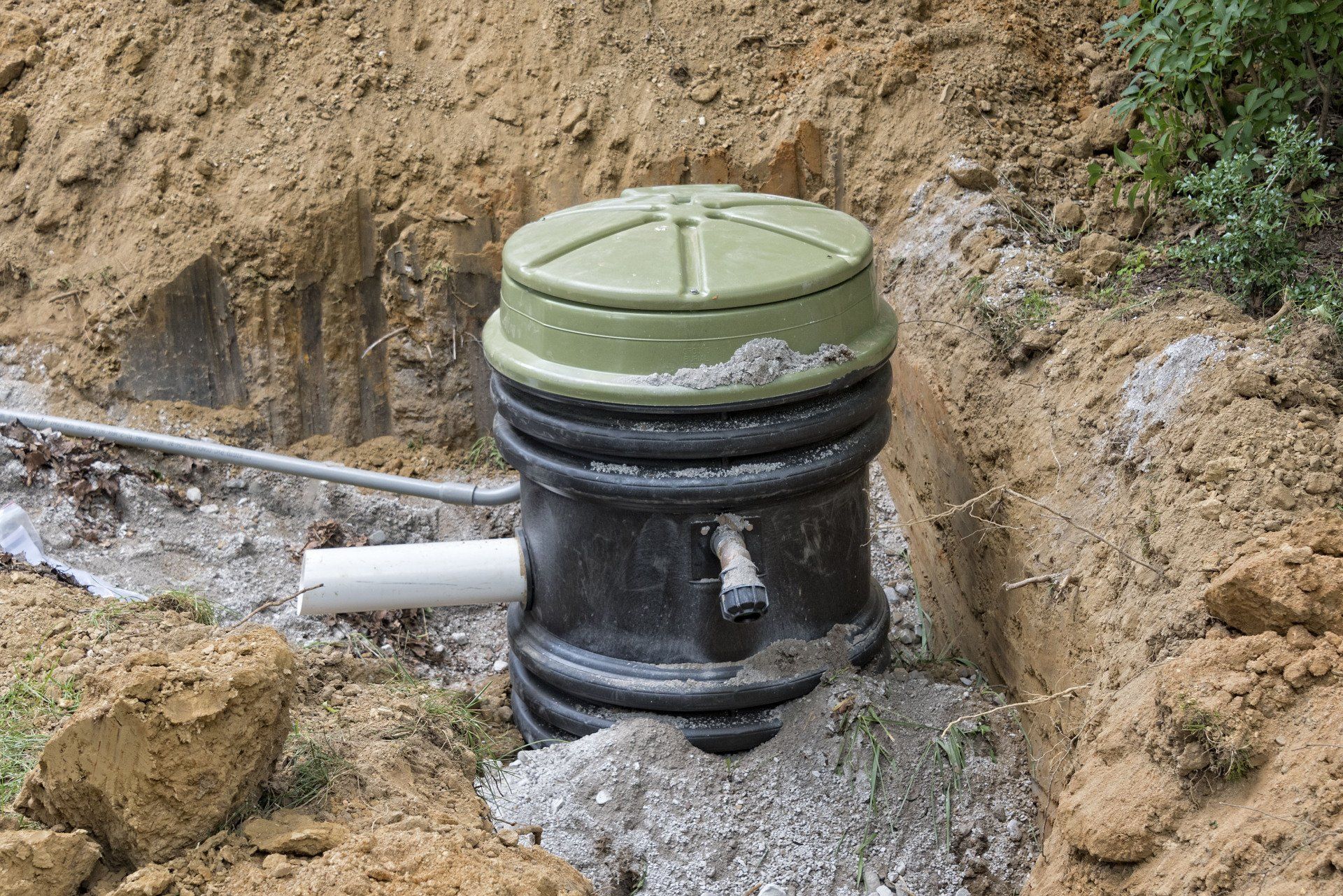
A septic system is an underground wastewater treatment structure commonly used in areas without centralized sewer systems. It collects wastewater from household plumbing, including bathrooms, kitchens, and laundry areas. Most systems consist of a septic tank and a drain field, which work together to separate, treat, and disperse wastewater.
Inside the tank, solids settle while lighter materials rise to the surface. The remaining liquid flows into the drain field, where surrounding soil provides additional treatment. Understanding these functions helps homeowners recognize why a septic maintenance service is important for keeping the system operating properly.
Recognizing Common System Problems
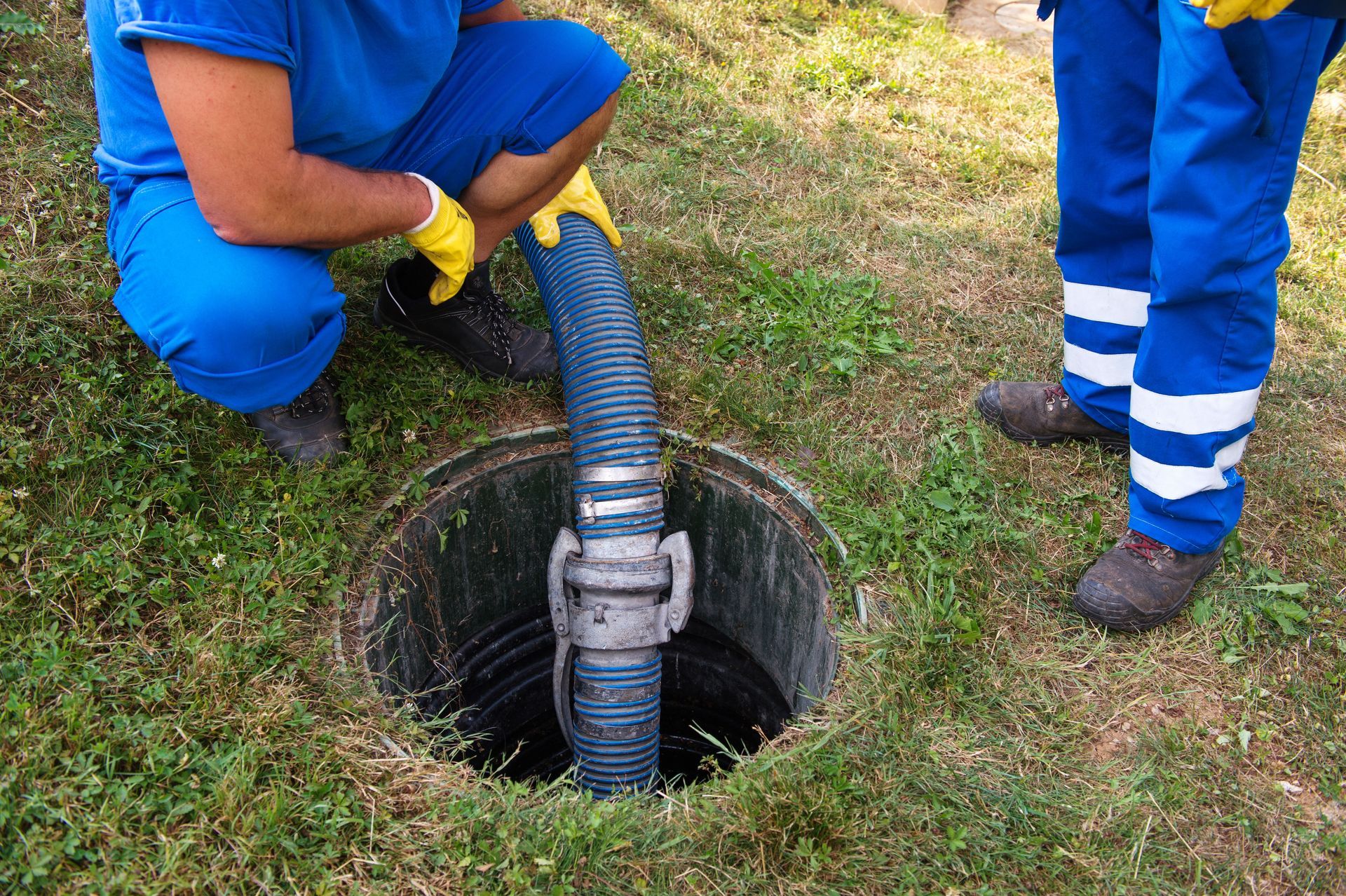
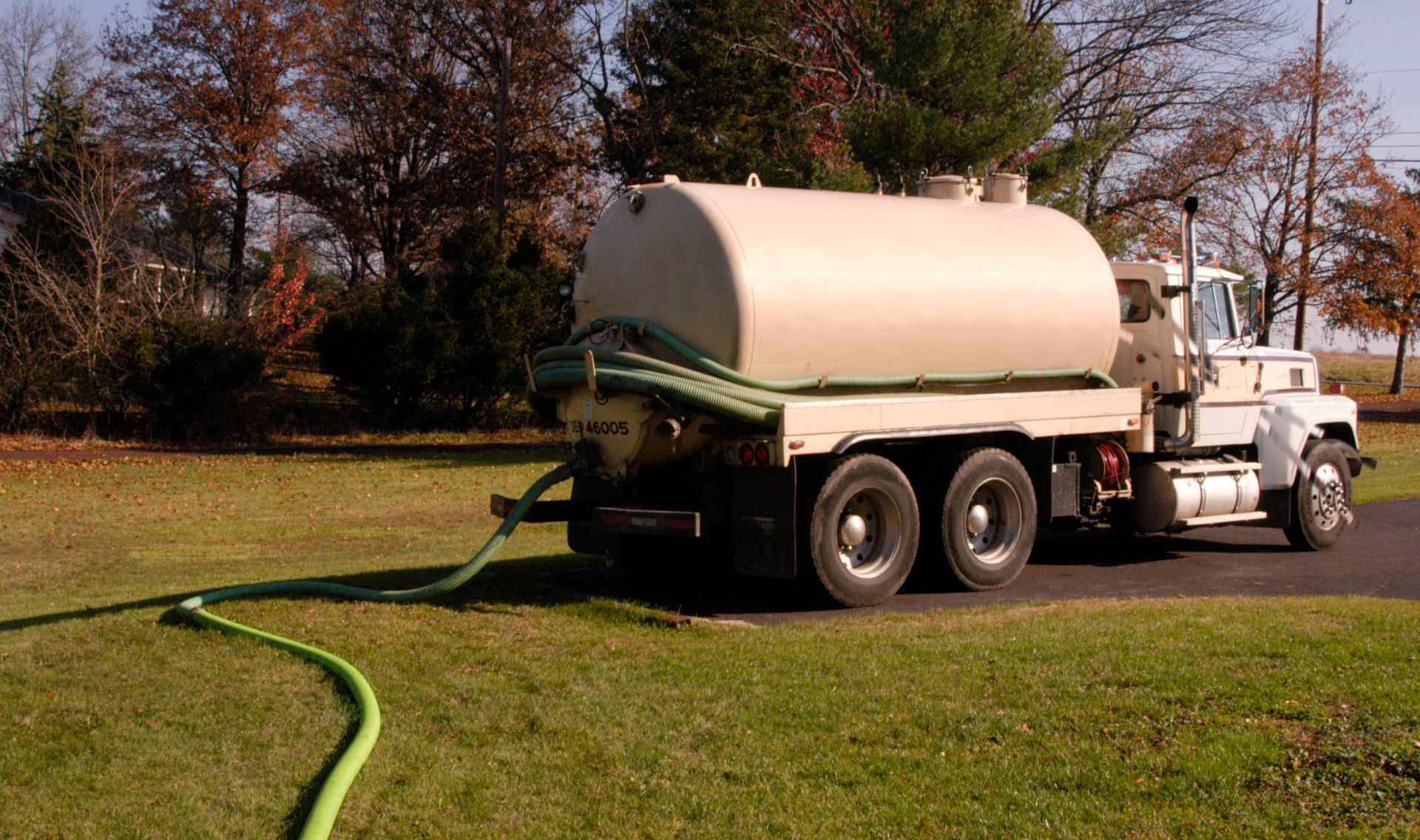
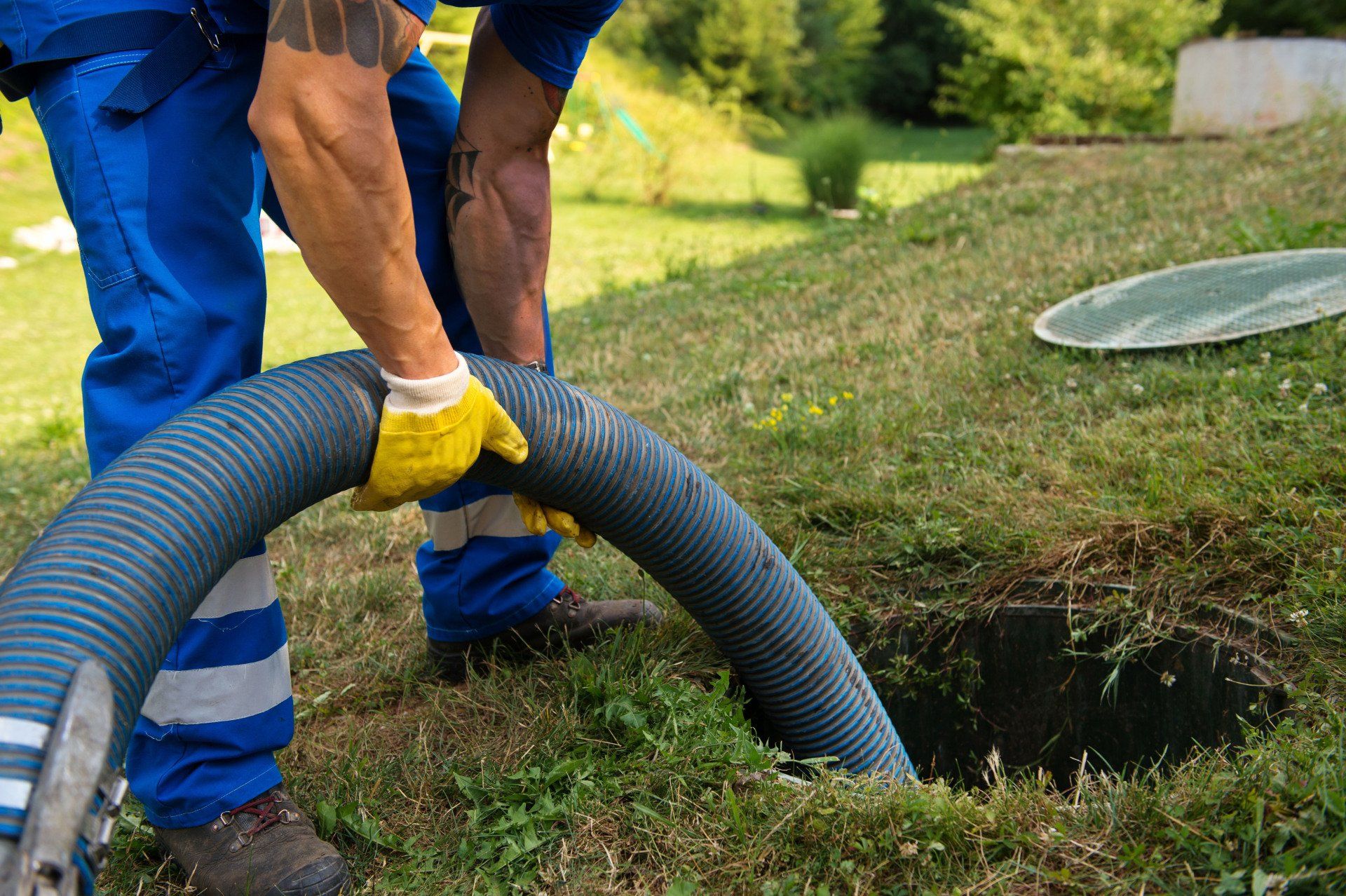
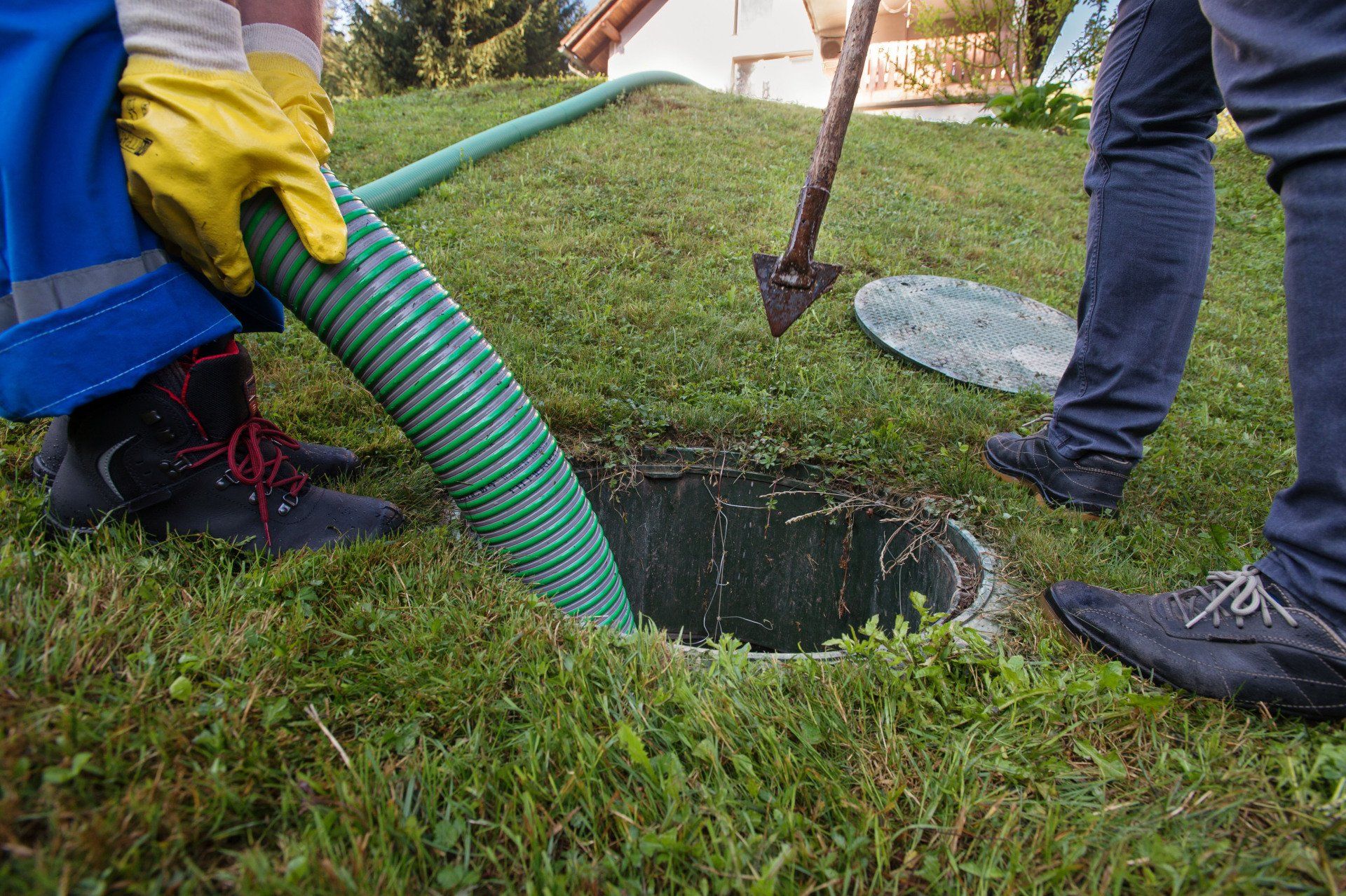
Excessive sludge and scum accumulation can interfere with wastewater treatment and cause backups. According to the US Environmental Protection Agency, you should have your septic tank pumped if the liquid depth is more than 25% made up of sludge and scum. Other problems include damaged pipes, leaks, and clogged drain field lines.
These issues can allow untreated wastewater to enter the surrounding soil or return to household plumbing. Contaminated groundwater and unpleasant odors are additional concerns. Recognizing potential problems early makes a routine septic maintenance service an important part of responsible homeownership.
Scheduling Regular Inspections and Pumping
Understanding the Importance of Inspections
Regular inspections allow professionals to evaluate the condition of a septic tank, check for leaks, and measure accumulated solids. These evaluations can reveal problems that homeowners might not notice during everyday use. Identifying concerns early can help prevent backups, environmental contamination, and costly repairs.
Professional septic maintenance service also provides valuable information about the system's overall performance and whether adjustments to its maintenance schedule are necessary.
Following an Appropriate Maintenance Schedule
Many septic systems should be inspected approximately every three years, although the recommended frequency depends on household size, tank capacity, water consumption, and system age. Pumping schedules vary as well, with some tanks requiring more frequent attention than others.
A professional can evaluate these factors and recommend an appropriate schedule. Keeping records of inspections, pumping appointments, and repairs also makes it easier to monitor the system's condition over time.
Recognizing When Pumping Is Necessary
Several warning signs may indicate that a septic tank needs attention. Slow drains throughout the home, persistent sewage odors, gurgling plumbing, and unusually wet areas near the tank or drain field can point to developing problems. Wastewater backing up into sinks, tubs, or toilets requires prompt attention.
These symptoms do not always indicate a full tank. Damaged pipes, blockages, and drain field problems can produce similar warning signs. Professional septic maintenance service can help identify the underlying cause and recommend an appropriate solution.
Managing Household Water Usage
Practicing Everyday Water Conservation
Conserving water reduces the amount of wastewater entering a septic tank. Fixing dripping faucets, repairing running toilets, installing low-flow fixtures, and taking shorter showers are practical ways to limit unnecessary water consumption.
Spreading out water-intensive activities also helps prevent the system from becoming overloaded. For example, homeowners should avoid running several loads of laundry while simultaneously operating the dishwasher and taking multiple showers.
Using Household Appliances Efficiently
Washing machines and dishwashers can introduce substantial amounts of water into a septic system. Using efficient appliances, selecting water-saving settings, and waiting until there is a full load of laundry or dishes can reduce unnecessary water consumption.
Spreading laundry throughout the week rather than completing every load in one day gives the septic system more time to process incoming wastewater. These simple habits support consistent system performance.
Following Proper Household Waste Disposal Practices
Keeping Harmful Materials Out of Drains
Not everything that goes down a household drain belongs in a septic system. Fats, oils, grease, chemicals, and non-biodegradable materials can interfere with wastewater treatment. These substances may contribute to blockages or disrupt the natural processes that break down organic waste.
Homeowners should also avoid flushing paper towels, feminine hygiene products, cotton swabs, and disposable wipes. Even products marketed as flushable may not break down quickly enough to move safely through septic plumbing.
Choosing Appropriate Cleaning Products
Household cleaners can affect the microorganisms responsible for breaking down waste inside a septic tank. Excessive amounts of harsh chemicals, disinfectants, and antibacterial products may interfere with this biological process.
Using cleaning products according to their directions and avoiding unnecessary chemical disposal helps preserve the tank's natural balance. Homeowners should also avoid adding septic additives without professional septic maintenance service.
Disposing of Grease and Hazardous Waste Safely
Cooking grease and fats can cool, harden, and accumulate inside plumbing lines. Instead of pouring them down the kitchen sink, collect these materials in a disposable container and place them in the trash once they have cooled.
Paints, solvents, pesticides, and other hazardous chemicals should also stay out of septic drains. These substances can harm beneficial bacteria and introduce contaminants into the environment. Take hazardous materials to an appropriate disposal facility instead.
Protecting Your Septic System Through Landscaping
Selecting Appropriate Plants
Landscaping choices can influence the condition of a septic system and surrounding soil. Native grasses and shallow-rooted plants are generally suitable options near the drain field. Their roots are less likely to interfere with underground pipes, and many require relatively little watering.
Large trees and shrubs should be planted at a safe distance from septic components. Their roots naturally seek moisture and can eventually enter pipes or damage underground structures.
Preventing Soil and Drain Field Damage
Heavy vehicles, construction equipment, and large structures should not be placed over the septic tank or drain field. Excessive weight can compact the soil, damage underground pipes, and interfere with wastewater absorption.
Maintaining grass or other appropriate ground cover helps limit erosion while allowing water to move naturally through the soil. Homeowners should also avoid directing roof drainage or concentrated water sources toward the drain field.
Maintaining the Surrounding Landscape
Regularly checking the area around a septic system can help identify changes that may indicate trouble. Unusually green grass, standing water, sinking soil, and persistent odors deserve attention. These conditions can sometimes indicate wastewater surfacing or drain field problems.
Professional septic maintenance service can help determine whether these changes are related to system performance. Addressing concerns promptly can prevent additional damage and protect nearby soil and groundwater.
Preparing Your Septic System for Seasonal Changes
Protecting Components During Winter
Cold temperatures can increase the risk of frozen septic pipes and other system components. Maintaining grass cover over the drain field and avoiding unnecessary soil disturbance can provide natural insulation. Homeowners should also repair plumbing leaks and address drainage concerns before freezing weather arrives.
During colder months, avoid driving over septic components or removing protective snow cover unnecessarily. If freezing is suspected, contact a professional rather than attempting potentially damaging repairs.
Managing Heavy Rain and Dry Conditions
Heavy rainfall can saturate the soil around a drain field, reducing its ability to absorb additional wastewater. During exceptionally wet periods, limit unnecessary water consumption and avoid activities that could place additional strain on the system.
Drought conditions can also affect surrounding soil and landscaping. Maintaining appropriate vegetation and avoiding unnecessary disturbance can help protect the area. Seasonal maintenance recommendations should account for local weather patterns and property characteristics.
Establishing a relationship with a qualified plumbing and septic professional also makes routine care more manageable. For help keeping your system in good condition, contact Hutch & Co Plumbing & Septic to discuss professional
septic maintenance service and schedule an evaluation. Regular attention today can help protect your property and wastewater system for years to come.

Share On: