4 Essential Septic Maintenance Service Options You Can't Ignore
Maintaining a septic system is essential for preserving its performance and longevity. Overlooking routine maintenance can lead to system strain, property disruption, and costly repairs. This article outlines key septic maintenance services and best practices that help keep your system functioning efficiently over time. With consistent care and timely service, homeowners can support both their property and the surrounding environment through a reputable septic maintenance service.
1. Regular Septic Tank Pumping
EfficientPumping Frequency
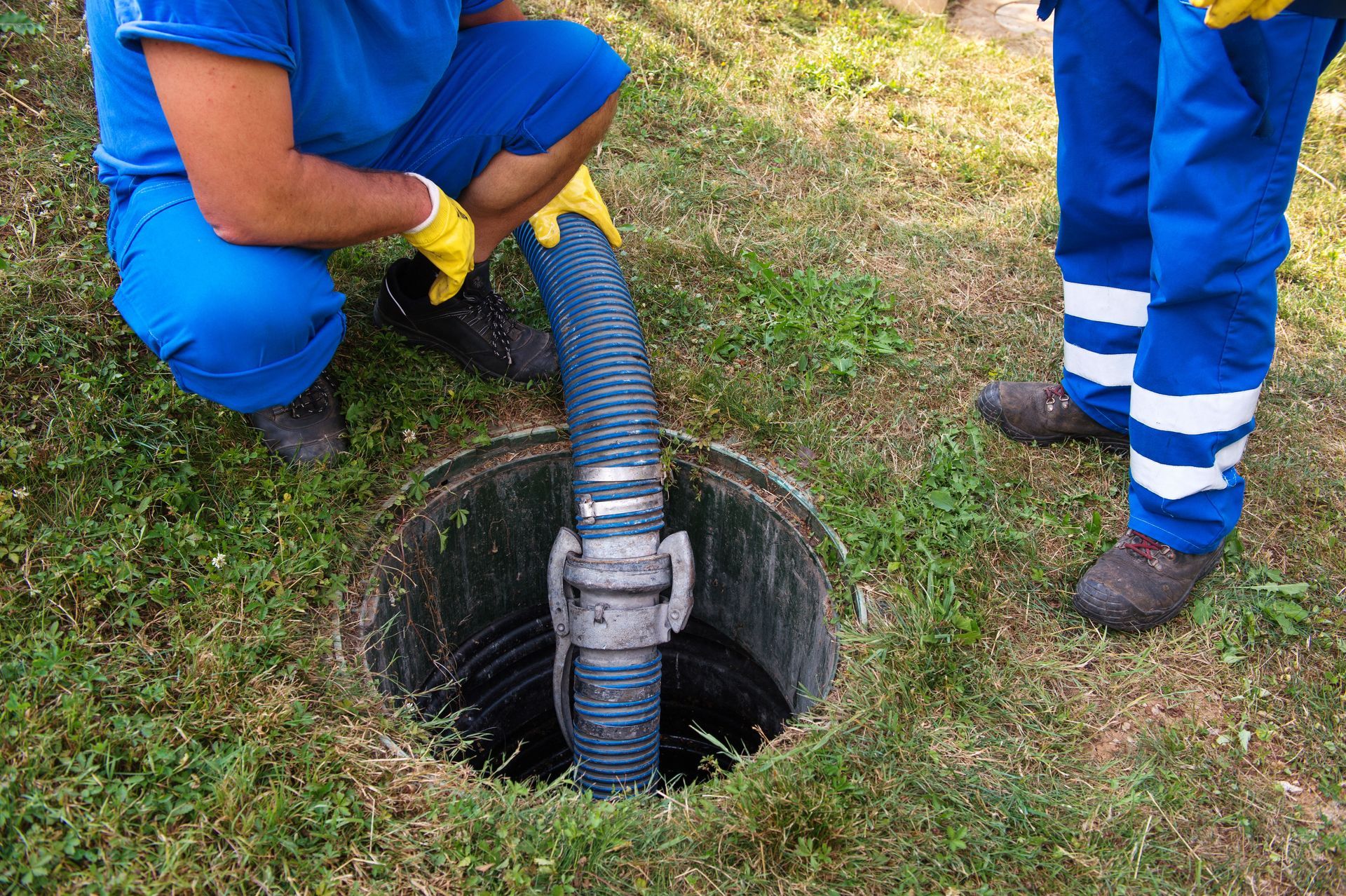
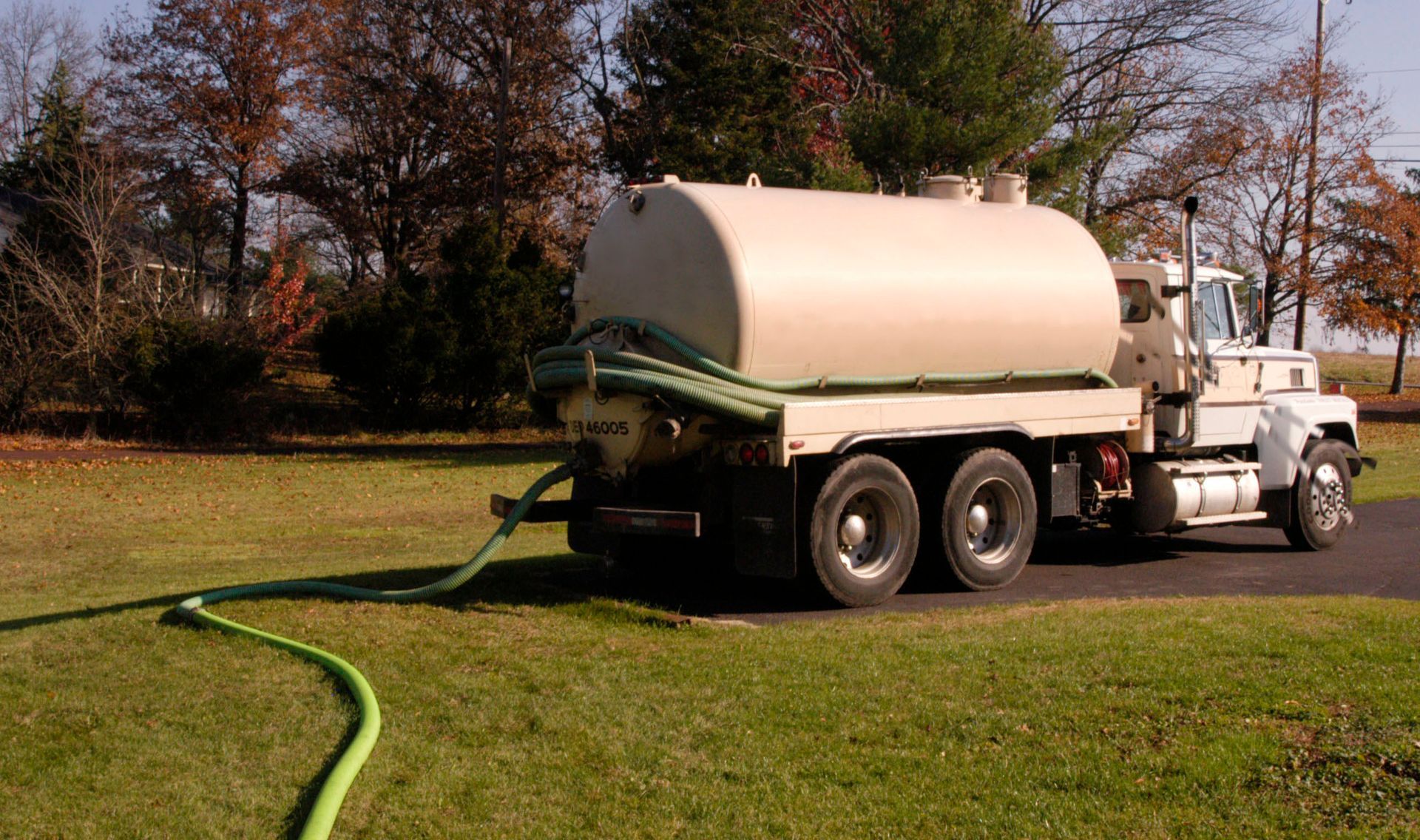
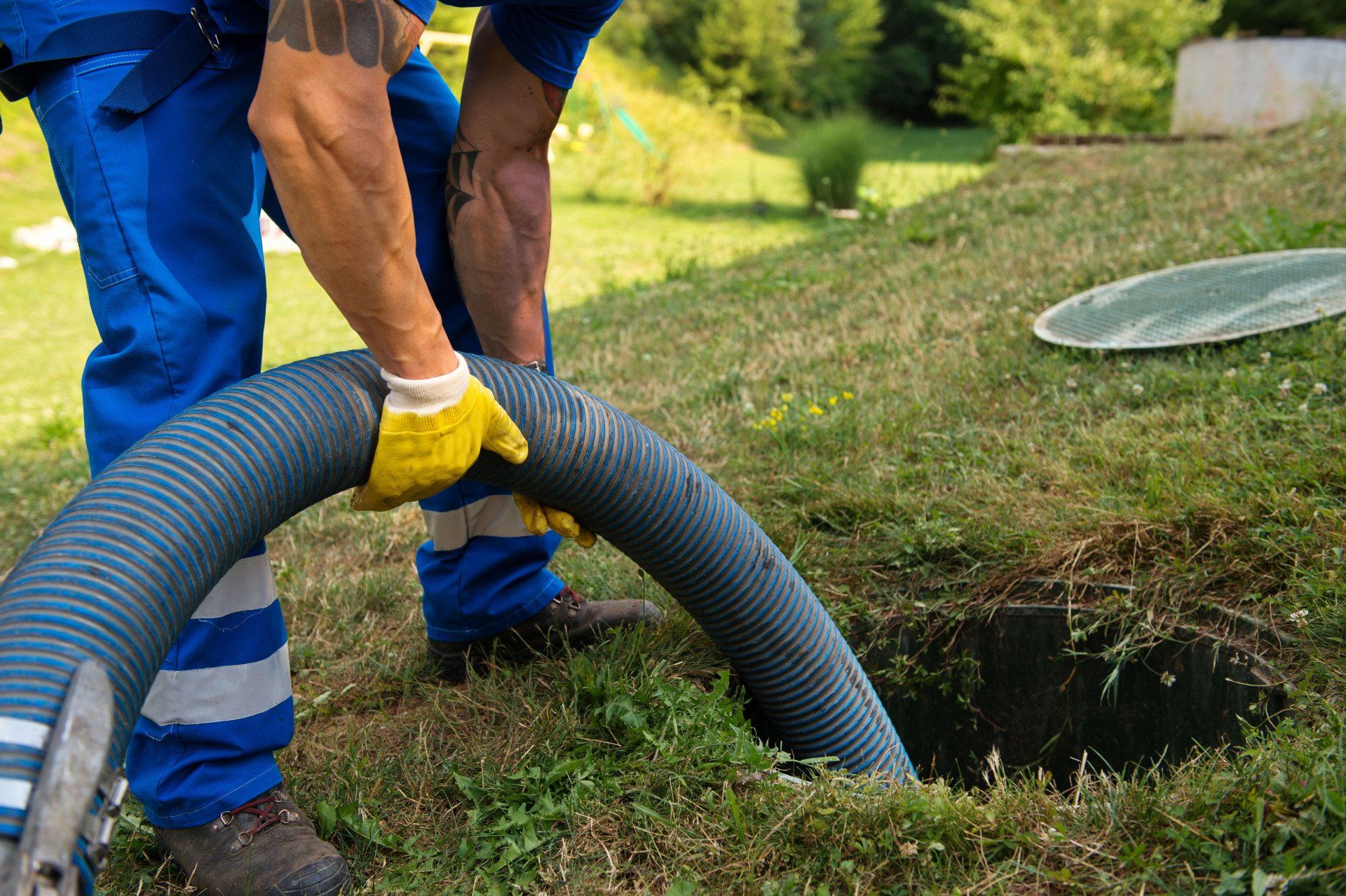
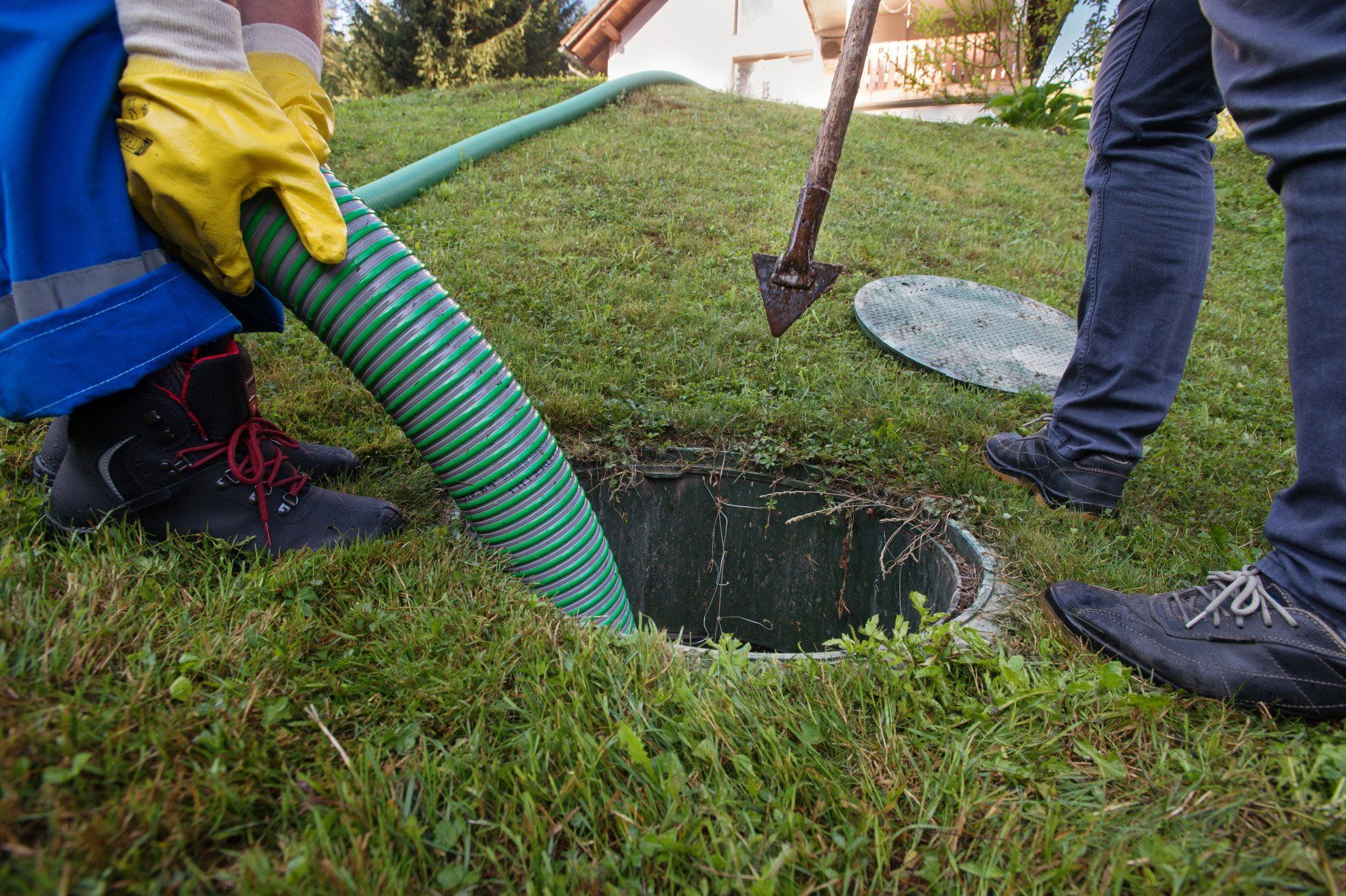
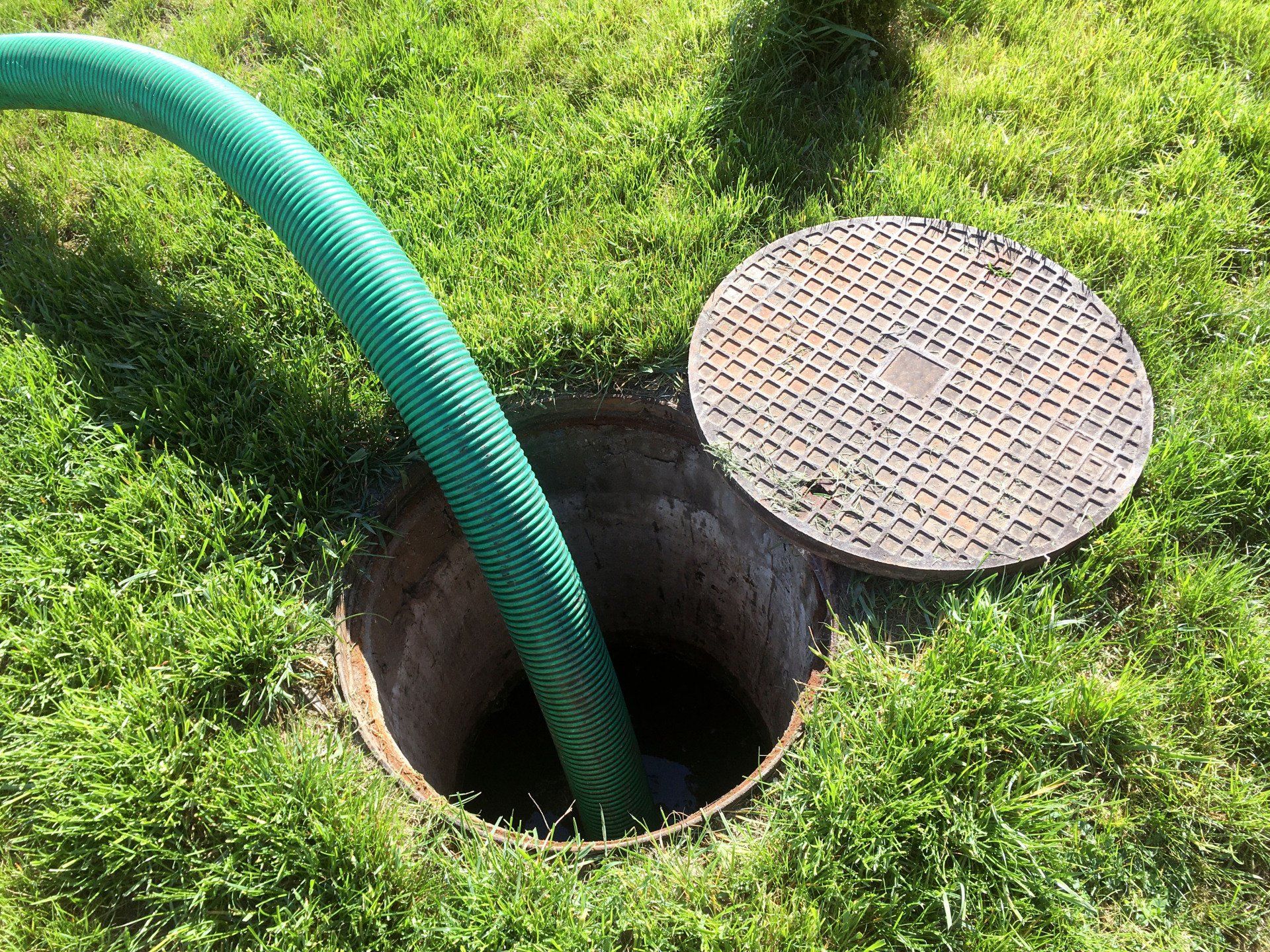
Regular septic tank pumping is a fundamental part of maintaining a properly functioning system. The frequency of pumping depends on factors such as household size, tank capacity, and overall water usage. In many cases, septic tanks benefit from pumping every few years, though higher usage may require more frequent service.
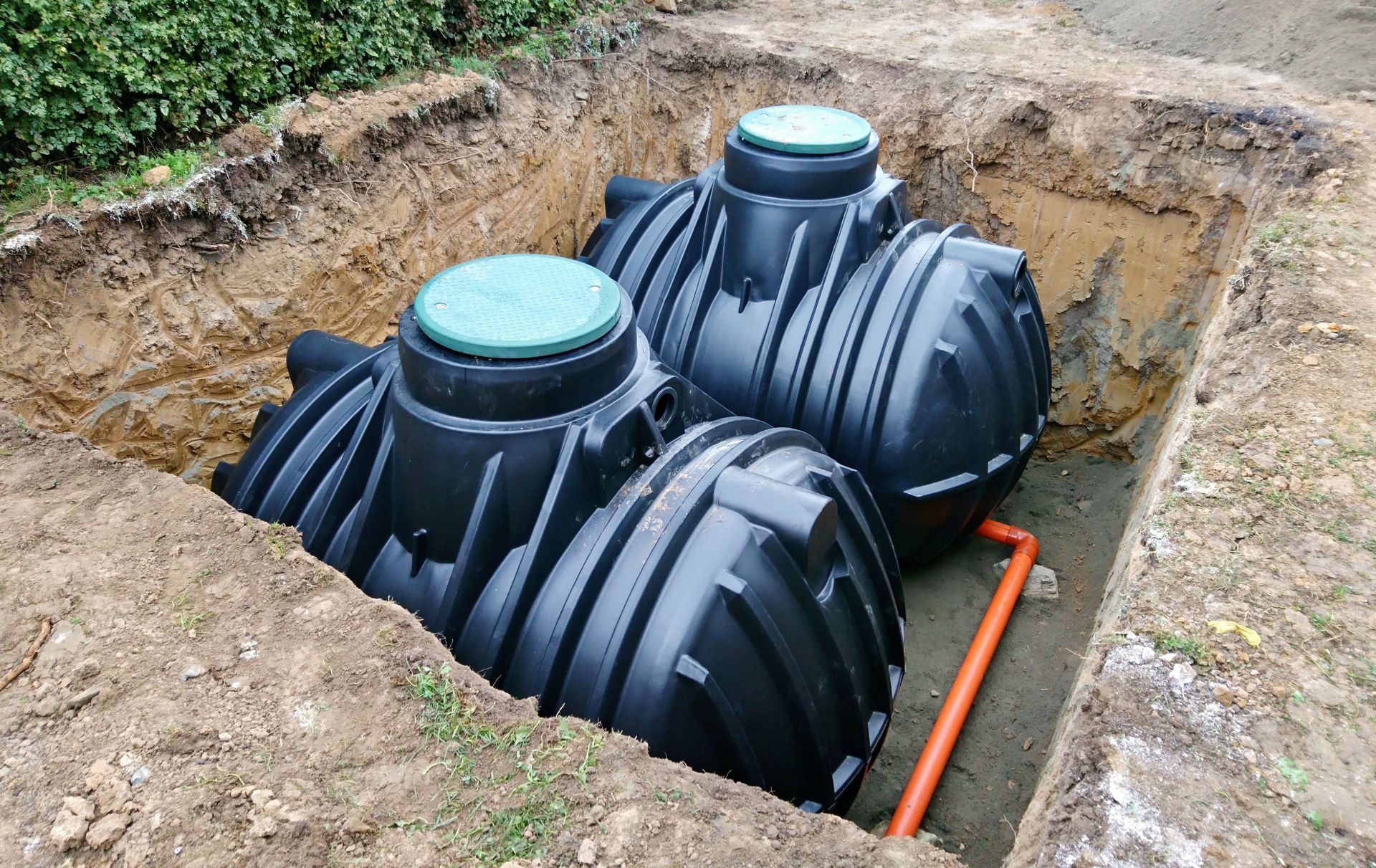
Monitoring your system for warning signs can also help determine when pumping is needed. Slow drains, unpleasant odors, or pooling water around the property may indicate that the tank is reaching capacity. According to This Old House, septic tanks are usually capable of holding over 1,000 gallons of waste.
Preventing Issues With Pumping
Routine pumping helps prevent system overload and reduces the risk of backups or damage to connected components. By maintaining proper tank levels, homeowners can support consistent wastewater flow and reduce unnecessary strain on the system. This process is a key part of any effective septic maintenance service.
This service also contributes to long-term system performance. Removing accumulated waste allows the system to function more efficiently and helps minimize wear on pipes and other components. Regular pumping plays a key role in avoiding unexpected disruptions and maintaining efficient operation.
Choosing a Septic Service Provider
Selecting a septic service provider involves understanding the range of services available and how they support your system's needs. Working with a provider that offers septic pumping, inspections, maintenance, and installation allows for more consistent care over time. Choosing the right septic maintenance service ensures all system components are addressed properly.
A provider experienced in both plumbing and septic systems can offer a more complete perspective on how wastewater moves through your property. This can be especially helpful when diagnosing issues or planning future maintenance. Clear communication about your system's condition helps ensure accurate recommendations and effective service.
Managing Pumping Costs
The cost of septic tank pumping can vary depending on system size, usage, and service requirements. Routine maintenance services are generally more predictable, while additional work may depend on the condition of the system. Understanding these factors helps homeowners plan for septic maintenance service needs.
Staying consistent with maintenance helps reduce the likelihood of more extensive repairs. Keeping track of service history and scheduling routine pumping at appropriate intervals can support better planning and long-term system efficiency. A structured septic maintenance service plan supports consistent performance.
2. Septic System Inspections
Regular Septic Inspections
Septic system inspections are an important part of ongoing maintenance. These evaluations help identify potential concerns early, allowing homeowners to address issues before they develop into larger problems. Early detection supports system efficiency and helps maintain consistent performance.
Regular inspections also provide a clearer understanding of how the system is functioning over time. This insight allows homeowners to make informed decisions about maintenance and necessary repairs, helping to extend the life of the system. Inspections are a critical component of a comprehensive septic maintenance service.
Common Inspection Types
Septic inspections typically involve evaluating key components such as the tank, pipes, and overall system performance. Visual assessments can identify signs of wear, leaks, or structural concerns, while more detailed evaluations may assess how effectively the system processes wastewater. Each step contributes to a thorough septic maintenance service approach.
These inspections help determine whether the system is operating as intended and highlight any areas that may require attention. A thorough evaluation provides valuable information that supports proper maintenance and system care. This level of detail strengthens overall system efficiency.
Proper Inspection Timing
Scheduling inspections at regular intervals helps ensure consistent system performance. Many homeowners coordinate inspections with routine maintenance services, such as pumping, to gain a complete view of system health. This coordination supports a well-rounded septic maintenance service plan.
Inspections are also beneficial when changes in system performance occur, such as slower drainage or unusual odors. Addressing concerns promptly allows for more accurate diagnosis and helps prevent further complications. Timely evaluations reduce the risk of larger issues developing.
Working With a Service Professional
Working with a qualified service professional helps ensure inspections are thorough and accurate. Clear communication about system history, usage patterns, and any noticeable changes allows for a more effective evaluation. This collaboration supports consistent septic maintenance service results.
Detailed findings from an inspection can guide future maintenance decisions and help homeowners better understand how to care for their septic system over time. These insights contribute to more informed planning and improved system performance.
3. Addressing Drain Field Concerns
Common Drain Field Issues
The drain field is responsible for dispersing treated wastewater into the surrounding soil. When issues arise, they can impact the overall performance of the septic system. Common signs of concern include slow drainage, standing water, or persistent odors in the yard.
These conditions may indicate that the system is under strain or not processing wastewater effectively. Recognizing these signs early allows for timely evaluation and appropriate next steps. Addressing these concerns is an important part of septic maintenance service planning.
Resolving Drain Field Concerns
Addressing drain field issues typically begins with a professional inspection to assess system performance. Identifying the underlying cause, such as increased water usage, system overload, or component wear, helps determine the most effective solution. This process supports accurate septic maintenance service decisions.
In some cases, resolving these concerns may involve repairing or replacing parts of the system. Ongoing maintenance and regular inspections play an important role in preventing further issues and supporting long-term functionality. Consistent attention helps maintain overall system balance.
Timely Drain Field Care
Responding to drain field concerns early helps maintain system efficiency and reduces the likelihood of more extensive repairs. Taking a proactive approach allows homeowners to preserve system performance and avoid unnecessary disruption. Early action is a valuable part of any septic maintenance service.
Consistent care and monitoring contribute to a more stable and efficient septic system, supporting both property function and long-term use. These efforts help reduce unexpected issues and maintain steady operation.
Managing Maintenance and Repair Costs
The cost of addressing septic system concerns depends on factors such as system size, the extent of the issue, and the type of service required. Routine maintenance is generally more predictable, while repairs may vary based on system condition. Planning ahead supports effective septic maintenance service budgeting.
Maintaining a regular service schedule helps reduce the risk of more complex issues. By addressing concerns early and keeping detailed service records, homeowners can better manage costs and maintain system performance over time. Consistency supports long-term efficiency.
4. Preventative Maintenance Practices
Preventative maintenance plays a key role in supporting the long-term performance of a septic system. Simple habits, such as managing water usage and avoiding materials that can disrupt the system, help reduce unnecessary strain. These practices complement a professional septic maintenance service.
Routine pumping and regular inspections are essential components of preventative care. These services help identify potential concerns early and ensure the system continues operating efficiently. Together, they form a dependable septic maintenance service strategy.
By combining consistent maintenance practices with professional service, homeowners can extend the life of their septic system and reduce the likelihood of unexpected issues. For homeowners aiming to keep our septic systems running efficiently, partnering with a provider like Hutch & Co Plumbing & Septic offers access to essential services, including pumping, inspections, maintenance, and installation. To explore the right solutions for your system, learn more about how Hutch & Co Plumbing & Septic can help.
Share On: