
How Often Should You Get Your Septic Tank Pumped?
Understanding the importance of regular septic tank maintenance is crucial for homeowners relying on septic systems. Pumping frequency can significantly affect the functionality and longevity of your septic system. This article will explore various factors influencing how often septic tanks should be pumped. Regular maintenance not only ensures optimal performance but also prevents costly repairs down the line. By adhering to expert guidelines and recognizing signs of dysfunction, homeowners can manage their septic systems effectively.
What Are Septic Tank Systems?
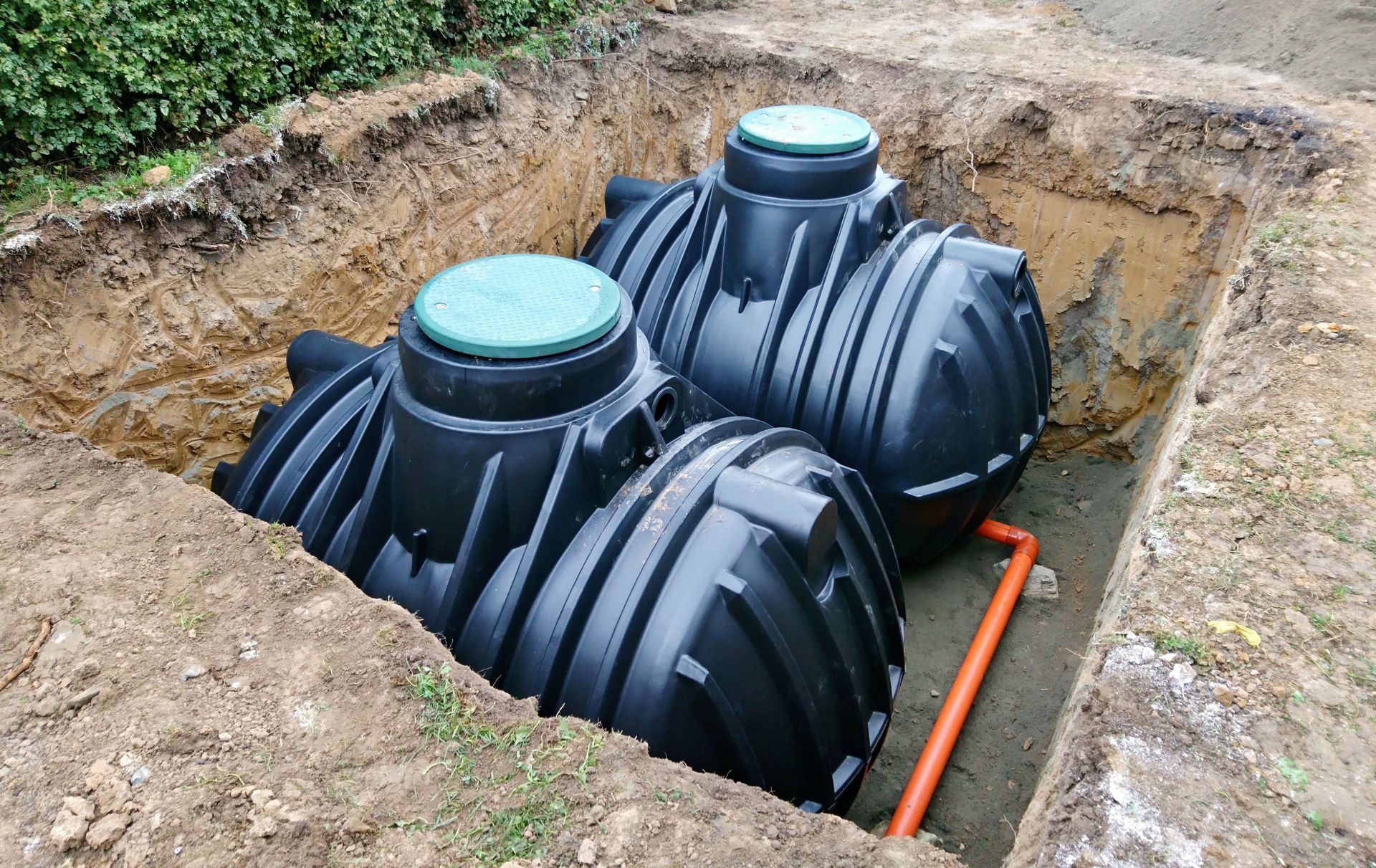
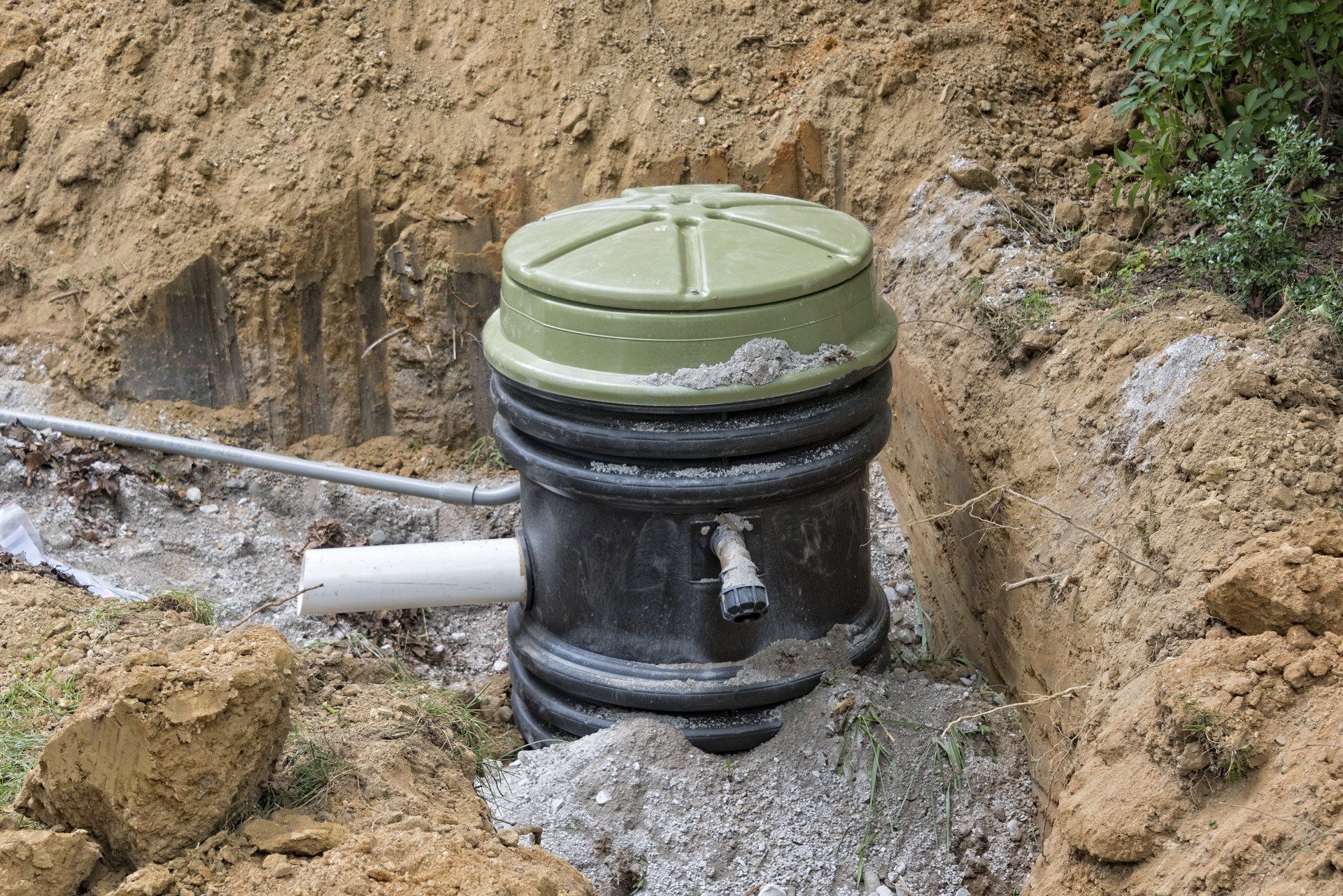
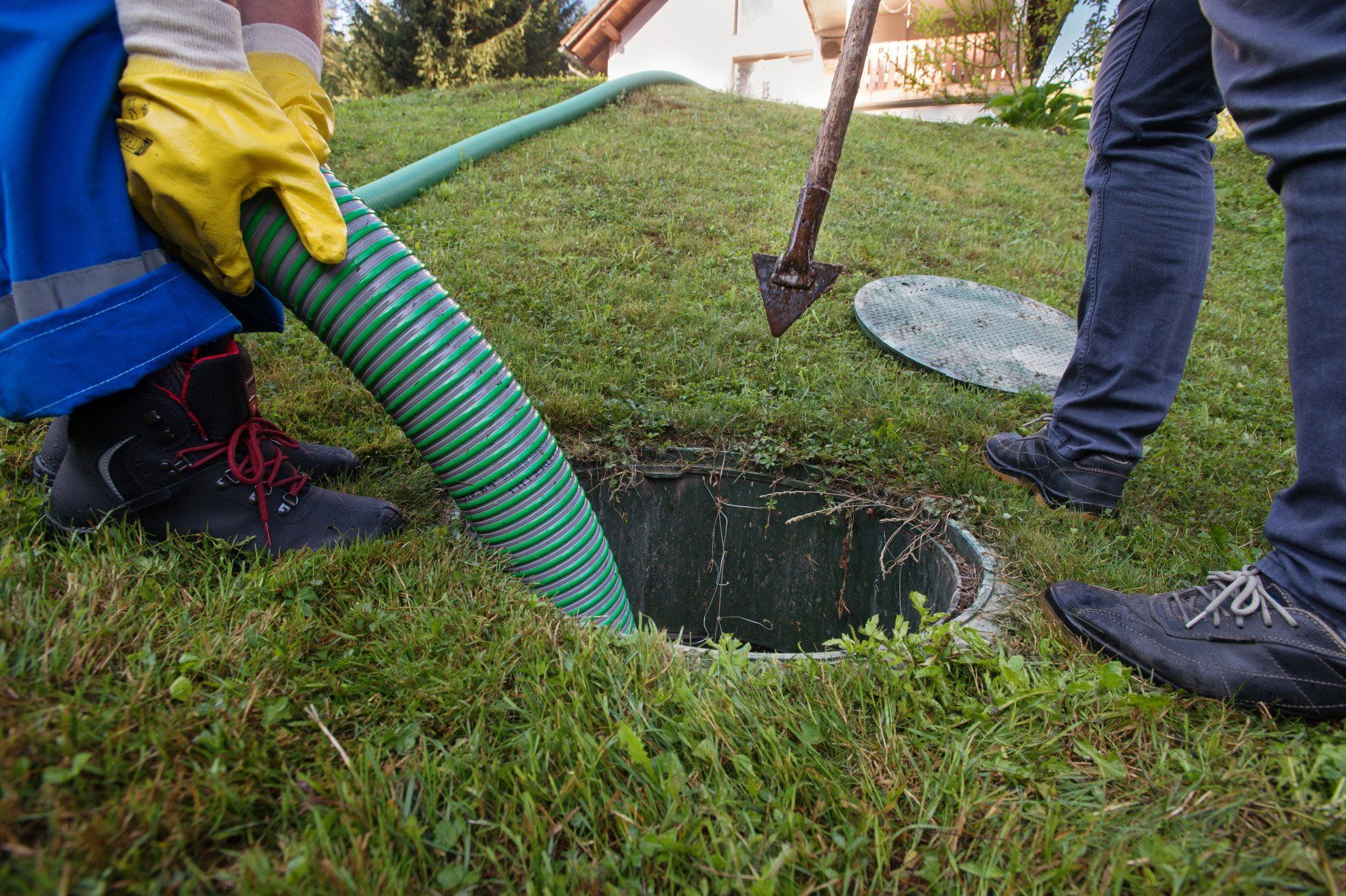
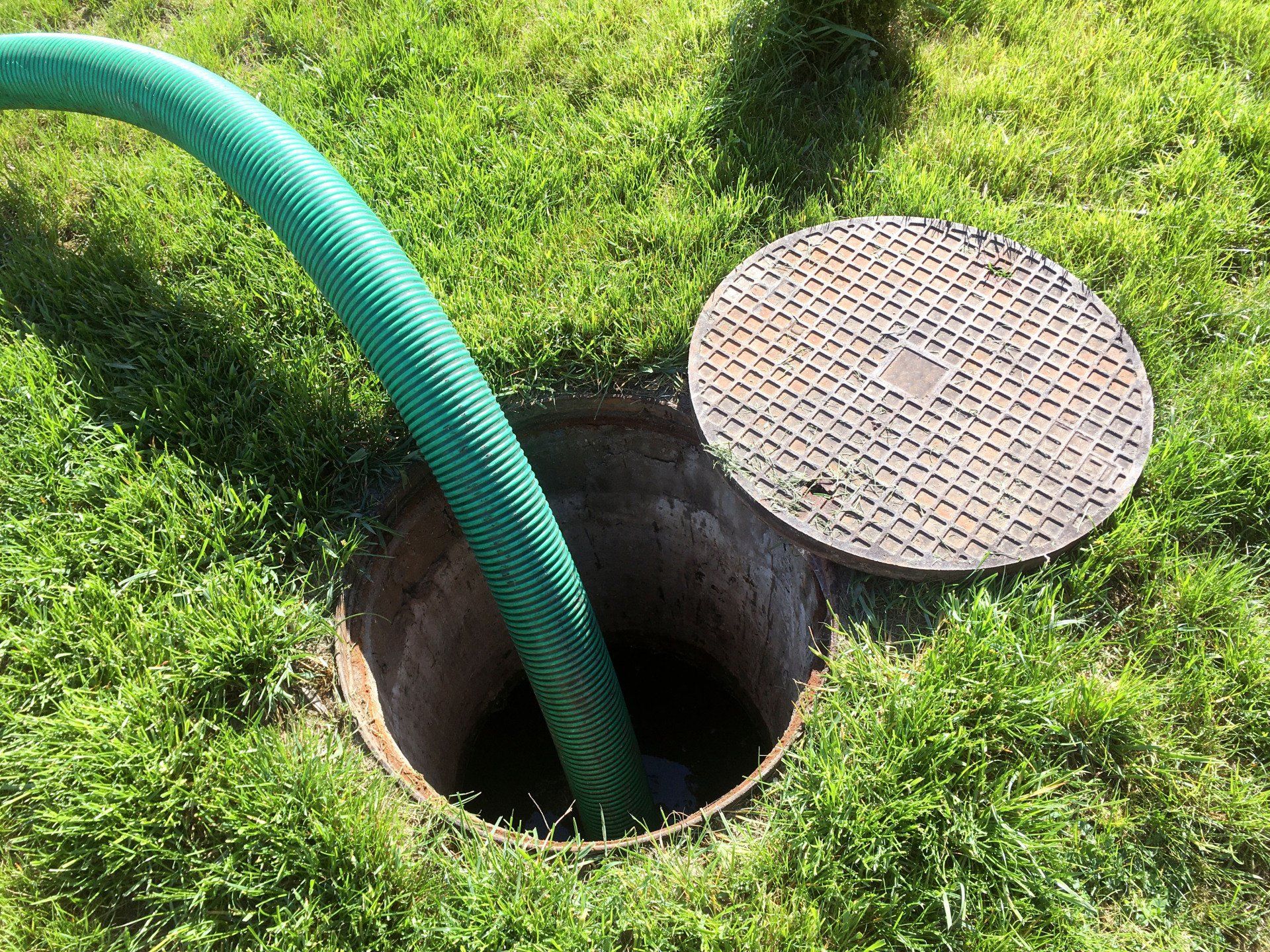
A septic tank is an underground chamber made of concrete, fiberglass, or plastic, through which domestic wastewater flows for basic sewage treatment. It is a critical component of a septic system, which also includes a septic drain field. Solid waste settles at the bottom of the tank, while liquids flow out into the drain field. Over time, this accumulation requires septic tank pumping to restore capacity and prevent overflow.
The role of the septic tank is to separate and partially decompose solid waste. Effluent is naturally filtered and treated by soil in the drain field, ensuring waste is managed safely. Proper maintenance allows this process to continue efficiently, protecting both property and the environment. Knowing the capacity, material, and design of your system is key, as these details influence structural integrity and longevity. Experts recommend household septic systems be inspected at least every three years by a professional.
How Do Septic Tanks Work?
Septic tanks manage wastewater by separating it into three layers: scum, effluent, and sludge. Bacteria within the tank digest organic matter, reducing volume and preventing excessive buildup. The effluent is then released into the drain field, where it undergoes additional treatment. This process relies heavily on biological activity and gravity flow to remain efficient.
Chemicals, household cleaners, and poor maintenance habits can disrupt bacterial balance and reduce efficiency. Septic tank pumping plays an essential role in keeping systems functional, ensuring solids do not accumulate beyond capacity. Without it, clogs, backups, and environmental contamination become real risks. Professional inspections every three years, combined with customized pumping schedules, ensure systems stay in peak condition.
What Are the Components of a Septic System?
A complete septic system includes the septic tank, drain field, and connecting pipes. Additional elements, such as baffles, pumps, and alarms, are designed to improve performance. Baffles guide waste through the tank, while pumps support wastewater movement in challenging layouts. Alarms notify homeowners of potential issues like overflows or leaks. Together, these elements make septic systems effective and self-contained waste solutions for households without municipal sewer service.
Understanding the function of each component empowers homeowners to recognize early warning signs and schedule timely inspections. Maintenance routines, such as inspecting baffles or servicing pumps, are crucial for long-term efficiency. Professionals advise a three-year inspection schedule for average households, helping identify wear or damage before it escalates. Effective oversight of these components protects property values while ensuring environmental safety.
How Can You Tell if Your Septic System Needs Attention?
Recognizing warning signs helps homeowners address issues before they worsen. Symptoms of failure include slow drains, unpleasant odors, sewage backups, and standing water in the yard. Unusually green or lush grass patches over the drain field may also signal leakage. These issues often point to tanks nearing capacity and in need of immediate septic tank pumping.
Routine observation by homeowners, combined with professional inspections, is the most reliable defense against costly breakdowns. Experts can detect subtle issues overlooked by untrained eyes, such as small leaks or bacterial imbalance. By establishing a regular inspection calendar, property owners ensure their system operates reliably. Proactive monitoring, paired with inspections every three years, extends system life and prevents emergency repairs.
In addition to preventing emergencies, regular inspections provide valuable documentation of system health over time. Detailed service records create a history that can be referenced when selling a home or addressing future maintenance concerns. Prospective buyers often view a well-maintained septic system as a sign of responsible ownership, potentially increasing property value. These records also help professionals identify recurring issues and implement long-term solutions rather than short-term fixes.
Another advantage of ongoing inspections is the opportunity to receive expert guidance on daily care practices. Homeowners can learn about water conservation strategies, safe cleaning products, and proper waste disposal habits directly from professionals. These small adjustments in daily routines significantly reduce strain on the septic system and lower the likelihood of costly failures. By coupling routine observation with professional insight, property owners can maintain both efficiency and peace of mind for years to come.
What Factors Affect Pumping Frequency?
The frequency of septic tank pumping depends on multiple variables. Household size and water usage directly affect how quickly a tank fills. Larger families or homes with high water consumption often need more frequent pumping. Tank size also matters: larger tanks may last longer between services, while smaller ones require close monitoring.
The age and condition of the system further determine service intervals. Older tanks may degrade over time, losing efficiency and requiring more frequent care. Households using garbage disposals often accelerate waste accumulation, making pumping essential more often. Finally, local health regulations often set minimum inspection or pumping standards, which homeowners must follow to remain compliant. Professional evaluations consider all these factors to design a schedule tailored to each property’s needs.
Beyond these factors, lifestyle habits also play a major role in how often a septic tank needs attention. Households that frequently host guests or operate home-based businesses may experience higher-than-average water usage, which accelerates the filling of the tank. Similarly, excessive use of harsh cleaning chemicals or antibacterial products can upset the natural bacterial balance within the system. When this balance is disrupted, the breakdown of solids slows, making septic tank pumping necessary more often to prevent clogs or overflows.
Seasonal considerations can also affect service needs. For instance, homes in colder climates may experience slowed bacterial activity during winter, which impacts how effectively waste is processed. Properties with shallow tanks in regions prone to heavy rainfall or flooding may also face unique challenges, as water infiltration can overwhelm the system. By accounting for environmental and seasonal influences, homeowners can work with professionals to create a more accurate pumping schedule that adapts to real-world conditions.
What Happens When You Neglect Septic System Maintenance?
Failing to maintain a septic system can result in significant health and environmental hazards. Raw sewage leaks may introduce harmful bacteria, nitrates, and phosphates into groundwater, contaminating drinking supplies. This contamination can spread disease and damage ecosystems. Similarly, leaks into nearby rivers, streams, or soil can devastate local wildlife and natural habitats.
Neglect also leads to property damage and costly repairs. Backups into the home, structural tank failure, or drain field contamination can require thousands of dollars to correct. According to experts, routine inspections every three years, along with scheduled septic tank pumping, drastically reduce these risks. Preventive care ultimately safeguards household health, community safety, and environmental stability.
Septic systems are essential for waste management, but they require consistent oversight to remain safe and efficient. Routine inspections and septic tank pumping protect against backups, contamination, and expensive repairs. Homeowners who take proactive measures preserve both property value and community health. According to industry experts, average household systems should be inspected every three years, with pumping scheduled based on usage and system capacity.
If you are unsure about your septic system's condition or when it was last serviced, don't wait until problems arise. Contact Hutch & Co today to schedule a professional inspection or pumping service. Their expertise ensures your system continues to operate smoothly, saving you from unnecessary stress and costly emergency repairs.
Share On: